
Home / Knowledge
Chilled vs Frozen: what's the difference?
Choosing the right temperature from the start reduces the risk of product loss.
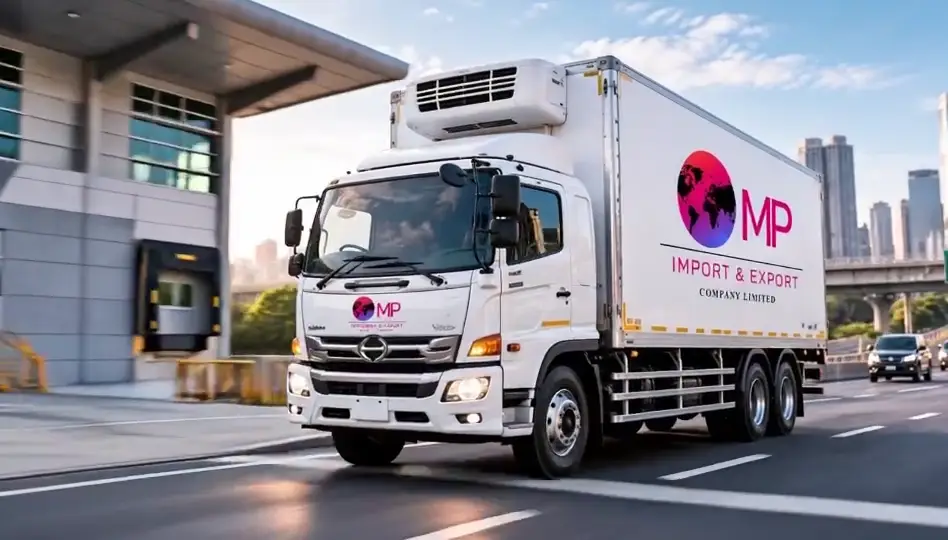
At a glance
| Chilled | Frozen | |
|---|---|---|
| Range | 0–8°C | -18°C or below |
| Examples | Produce, dairy, fresh food | Frozen food, seafood, ice cream |
| Main risk | Spoilage / chill damage if too cold | Thaw and refreeze |
Good to know
- Each product has its own ideal range — follow the manufacturer's specification.
- Some fruits are chill-sensitive; don't set lower than necessary.
- A reefer truck maintains temperature — bring product to temperature before loading.
Cold Chain Shipping Checklist
Related services and guides
Chilled Transport 0–8°C
For products that must stay fresh — the agreed temperature range is set for each job.
View details →Frozen Transport -18°C or below
For frozen food and products that must stay frozen the whole way.
View details →How to prepare goods for cold-chain transport
A simple shipper-side checklist before the truck arrives.
View details →Fruit export transport: how to control temperature
Each fruit needs a different temperature. The road leg from farm or packhouse to port, airport or border is where control matters most.
View details →