
What is a temperature logger, and why ask for a temperature report?
A logger shows whether cargo stayed in the agreed range for the whole trip — key evidence for receiving checks and claims.
What it is
A temperature logger measures and records temperature at set intervals, producing a time-stamped graph or table. It shows whether the cargo box stayed within the agreed range and, if not, when and for how long. Types range from download-after-trip and USB loggers to devices that send data over mobile networks in real time.
Logger vs the reefer display
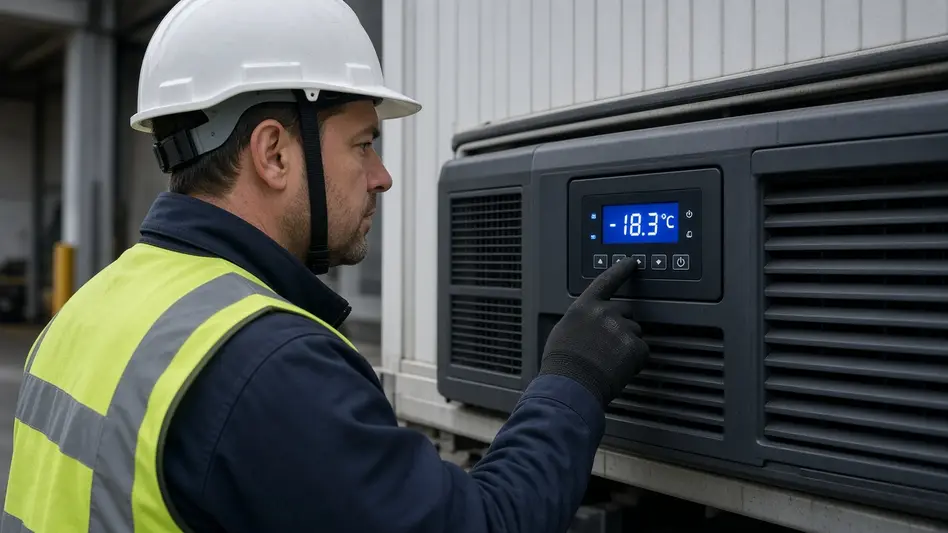
The cooling unit’s display shows the current value only. A logger keeps a continuous history, which is far better evidence — especially with multiple drops or long waits.
Why shippers should ask for reports
- Prove quality to your customer at receiving
- Support your QA system with traceable records
- Support claims by showing what happened and where
- Improve processes by spotting where temperature rises
What a good report includes
- Start and end time
- Temperature over time with min, max and average
- Agreed range and any excursions
- Job reference: truck, date, route
GPS + logger together
GPS shows where the truck is; the logger shows cargo temperature. Together they reveal where temperature changed — at a stop, a door opening or a queue. Every MP truck has both GPS and a temperature logger. Tell us your preferred report format when requesting a quote.
FAQ
Do all MP trucks have a temperature logger?
Yes. Every truck has GPS and a temperature logger.
How do I request a report?
State your requirement and format in the quote request; we confirm details before the job.
Request a quote
Send your job details through the quote form or our LINE Official Account. We reply during business hours, Mon–Sat 08:00–18:00.
Cold Chain Shipping Checklist
Related services and guides
Our cold-chain care process
Practices we use when planning jobs with customers — details are confirmed per job.
View details →Chilled Transport 0–8°C
For products that must stay fresh — the agreed temperature range is set for each job.
View details →Frozen Transport -18°C or below
For frozen food and products that must stay frozen the whole way.
View details →How to choose a cold-chain transport partner
Key questions for procurement, logistics and QA teams.
View details →